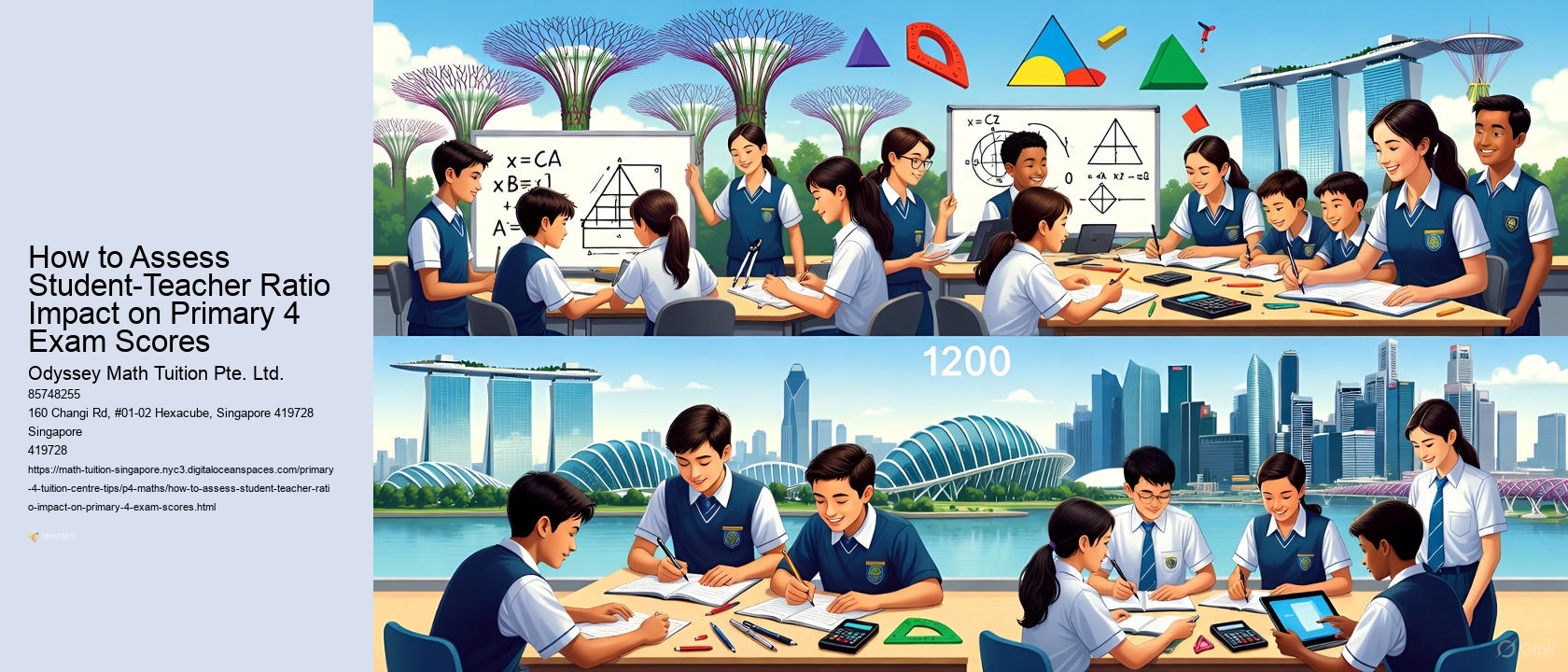
Singapore parents, kiasu and kiasi as we are, always want the best for our kids, right? Especially when it comes to education! We're constantly on the lookout for that secret ingredient, that magic formula that will help our little ones ace those Primary 4 exams. And one thing that often pops up in our parent WhatsApp groups is the student-teacher ratio. Does it really matter? Does a smaller class size automatically translate to better grades? Let's dive in and see what the story is, lah!
We all know how important mathematics is, especially with AI technologies taking over the world. Knowing your stuff in mathematics is definitely one of the most important knowledge to succeed in life. Many careers in Singapore, from engineering to finance, rely heavily on a strong foundation in mathematics. So, getting a head start in Primary 4 is crucial!
Okay, let's get down to brass tacks. What exactly is the student-teacher ratio, and why do we care? Simply put, it's the number of students assigned to one teacher in a classroom. The thinking goes that a lower ratio means more individual attention for each child. But is it that simple?
Many parents believe a lower student-teacher ratio offers several advantages:
Sounds good, right? But hold your horses! It's not just about the numbers.
While a lower ratio can be beneficial, it's not the be-all and end-all. Several other factors come into play:
Fun Fact: Did you know that Singapore's education system consistently ranks among the top in the world, even though our class sizes aren't always the smallest? Shows you that there's more to it than just the numbers!
Now, let's talk about tuition. Many Singaporean parents consider tuition to give their kids that extra edge. But with so many options out there, how do you choose the right one? Here are some choosing a singapore primary 4 tuition centre tips to help you navigate the tuition landscape:
Interesting Fact: Some tuition centres in Singapore are now incorporating AI-powered learning tools to personalize the learning experience for each student. This is where mathematics knowledge is very important to understand how the AI works.
Ultimately, the best way to help your child succeed in Primary 4 mathematics is to create a supportive and encouraging learning environment at home, communicate with their teachers, and choose a tuition centre (if needed) that aligns with their individual needs and learning style. Don't just blindly chase the lowest student-teacher ratio; look at the whole picture, okay?
In Singapore's challenging education structure, parents play a crucial function in guiding their children through key tests that shape academic paths, from the Primary School Leaving Examination (PSLE) which examines foundational abilities in disciplines like numeracy and science, to the GCE O-Level assessments emphasizing on high school expertise in multiple fields. As students advance, the GCE A-Level examinations require more profound analytical skills and topic mastery, frequently deciding tertiary placements and career directions. To stay updated on all elements of these countrywide evaluations, parents should investigate formal materials on Singapore test papers offered by the Singapore Examinations and Assessment Board (SEAB). This secures entry to the most recent curricula, test timetables, registration information, and standards that align with Ministry of Education criteria. Consistently referring to SEAB can assist parents get ready effectively, lessen doubts, and back their children in attaining optimal results during the demanding scene..Alright, parents, let's talk about something close to every Singaporean parent's heart: our kids' PSLE prep! We all know how important Primary 4 is – it's when things start getting real, right? One thing that's always on our minds is: "Is my child's class size affecting their grades, leh?" Let's unpack this a bit, shall we?
So, what's the deal with class sizes in Singapore Primary 4? On average, you're looking at around 30-40 students per class. Now, that's a fair few little heads vying for the teacher's attention, isn't it? The student-teacher ratio is a key factor here. A lower ratio can mean more individual attention for your child. But does it always translate to better exam scores? That's the million-dollar question!
Fun Fact: Did you know that the MOE (Ministry of Education) actually monitors class sizes to ensure a conducive learning environment? They're always tweaking things to try and find the sweet spot!
Okay, so how do we, as kiasu parents, figure out if the class size is impacting our precious ones? Here's a breakdown:
Interesting Fact: Back in the day, class sizes were HUGE! Imagine 50, even 60 students in one classroom! Our teachers were real superheroes, man.
Now, let's zoom in on Mathematics. Why? Because in today's world, and especially in Singapore, where we're all about being a Smart Nation, Maths is KING! With AI becoming more prevalent, a strong foundation in mathematics is essential. It's not just about acing the PSLE; it's about equipping your child for the future.
Think about it: coding, data analysis, even understanding how AI algorithms work – it all boils down to Maths! So, if your child is struggling in Maths, don't just brush it off. Address it head-on!
Speaking of addressing it head-on, let's talk tuition. Choosing a Singapore Primary 4 tuition centre tips is crucial. Here are a few things to consider:
History Moment: Tuition has been around in Singapore for ages! It's practically a national pastime, isn't it? But the focus has shifted from just rote memorization to understanding and applying concepts.
Ultimately, parents, remember that every child is different. What works for one child may not work for another. The key is to be observant, proactive, and to create a supportive learning environment for your child. Jiayou! We can do this!
Okay, parents, let's talk real. You're probably wondering if squeezing your child into a classroom with thirty-something other kids is going to tank their Primary 4 exam scores. It’s a valid concern, lah! Studies suggest that a lower student-teacher ratio *can* lead to more individualized attention, which *could* translate to better understanding of mathematical concepts. But remember, numbers aren’t everything; the quality of that attention matters too.
Speaking of quality, a teacher who's passionate and knows their stuff can make a huge difference, regardless of class size. Think of it this way: a dedicated teacher can still find ways to connect with each student, even in a larger class. In this bustling city-state's bustling education scene, where learners face intense demands to excel in mathematics from early to advanced levels, finding a tuition center that merges knowledge with authentic passion can create all the difference in fostering a appreciation for the field. Enthusiastic teachers who extend past rote learning to motivate critical thinking and tackling abilities are rare, yet they are essential for helping learners overcome obstacles in areas like algebra, calculus, and statistics. For parents looking for this kind of committed support, primary math tuition shine as a symbol of commitment, powered by teachers who are deeply invested in each learner's path. This consistent enthusiasm translates into personalized lesson strategies that adjust to personal demands, resulting in enhanced grades and a enduring appreciation for mathematics that extends into future scholastic and professional goals.. In Singapore's demanding education system, where English serves as the main vehicle of instruction and plays a central role in national tests, parents are eager to help their youngsters overcome typical hurdles like grammar affected by Singlish, word gaps, and issues in interpretation or writing writing. Establishing robust basic competencies from primary grades can substantially boost self-assurance in tackling PSLE elements such as scenario-based writing and oral interaction, while secondary students benefit from targeted practice in book-based examination and persuasive essays for O-Levels. For those looking for efficient methods, investigating math tuition centre provides valuable information into curricula that align with the MOE syllabus and emphasize dynamic learning. This supplementary assistance not only sharpens exam skills through practice tests and input but also encourages family practices like regular literature plus talks to cultivate long-term tongue proficiency and educational success.. They might use creative teaching methods, encourage peer learning, or simply be extra available for questions after class. Finding a teacher who can inspire a love for math is key, even more so than obsessing over the ratio.
One-on-one time is precious, especially when your child is grappling with fractions or problem-solving. A smaller class size ideally means more opportunities for teachers to identify and address individual learning gaps. This is where choosing a Singapore Primary 4 tuition centre tips comes in handy. A good tuition centre can provide that extra personalized support, supplementing what's being taught in school and ensuring no child is left behind, especially in crucial subjects like mathematics, which are fundamental for future success in our increasingly AI-driven world.
Every child learns differently, right? Some thrive in a bustling classroom, while others need a quiet corner to truly absorb information. A good teacher will try to cater to different learning styles, but it's undeniably easier in a smaller class. Consider your child's personality and learning preferences when evaluating the impact of student-teacher ratio. If your child is shy or needs extra encouragement, a smaller class or supplementary tuition might be beneficial.
Ultimately, Primary 4 isn't just about acing exams; it's about fostering a love of learning and building a strong foundation for future academic success. While student-teacher ratio is a factor, it's just one piece of the puzzle. Don't forget the importance of a supportive home environment, extracurricular activities, and a well-rounded education that nurtures your child's curiosity and critical thinking skills. Remember, happy kids learn better, so don't stress them too much, okay?
A lower student-teacher ratio contributes to a more relaxed and conducive learning environment. Students feel more comfortable asking for help and participating in class. Reduced anxiety and increased confidence positively impact their ability to learn and perform well in exams.
Smaller class sizes in tuition centres allow for more individualized attention from tutors. This focused support can help Primary 4 students grasp concepts more effectively. The increased interaction addresses specific learning gaps, leading to improved understanding and exam performance.
With fewer students, tutors can closely monitor each student's progress and identify areas needing improvement. This allows for timely intervention and targeted support to address weaknesses. Proactive monitoring ensures students stay on track and perform well in their Primary 4 exams.
A lower student-teacher ratio enables tutors to tailor their teaching methods to suit individual learning styles. This personalized approach caters to different paces of learning and helps students build confidence. Recognizing and addressing unique needs contributes to better exam outcomes.
A favorable student-teacher ratio encourages students to actively participate in class discussions and ask questions. This interactive learning environment fosters deeper understanding and critical thinking skills. Increased engagement translates to better retention and application of knowledge during exams.
Alright, parents, let's talk about something close to every Singaporean parent's heart: our kids' exam scores, especially those crucial Primary 4 results! We all want our children to excel, right? It's not just about bragging rights at the kopi-tiam; it's about setting them up for future success. And in this day and age, with AI and technology becoming more and more prevalent, a strong foundation in mathematics is absolutely essential. No joke!
Think about it: from coding to data analysis, even designing the next viral TikTok filter – maths is the underlying language. So, how do we ensure our kids are not just keeping up, but thriving? One factor that often comes up is the student-teacher ratio in school. Are bigger classes hindering your child's progress? Let's explore that, and see how we can give our little ones an extra boost.
Let's face it, Singapore classrooms can be packed tighter than a sardine tin during lunchtime! A higher student-teacher ratio means your child might not be getting as much individual attention as you'd like. It's simple maths (pun intended!): the more students a teacher has, the less time they can dedicate to each child's specific needs. This is a verifiable fact, backed by numerous studies on educational outcomes. But don't worry, we're not here to complain; we're here to find solutions!
Fun Fact: Did you know that Singapore's education system consistently ranks among the top in the world? We must be doing something right, lah!
So, how do you know if the class size is *actually* affecting your child's scores? Well, start by looking at their results. Are they struggling in specific areas? Are they hesitant to ask questions in class? Do they seem to understand the concepts but make careless mistakes? These could be signs that they need more individualized attention. Remember, every child learns differently, and a one-size-fits-all approach might not work for everyone.
First, talk to your child's teacher. They can provide valuable insights into your child's performance and learning style in the classroom. They might have suggestions for extra help or resources. Second, consider whether your child is comfortable asking questions in class. Some kids are shy, and a large class can make them even more hesitant. If that's the case, finding alternative ways for them to get their questions answered is crucial.
Interesting Fact: Singapore's focus on mathematics education dates back to the early days of nation-building, when leaders recognized the importance of STEM skills for economic development.
This is where tuition centres come into the picture. They can supplement classroom learning by offering more individualized attention, potentially mitigating the effects of higher student-teacher ratios in school. But with so many tuition centres in Singapore, how do you choose the right one for your child? In the Lion City's fiercely demanding educational environment, parents are devoted to aiding their kids' excellence in key math tests, starting with the basic challenges of PSLE where analytical thinking and conceptual grasp are evaluated intensely. As learners progress to O Levels, they face more intricate subjects like geometric geometry and trigonometry that necessitate exactness and critical competencies, while A Levels bring in higher-level calculus and statistics requiring deep understanding and usage. For those dedicated to giving their kids an educational edge, discovering the tuition Singapore adapted to these syllabi can change learning experiences through concentrated strategies and expert perspectives. This commitment not only enhances test performance over all levels but also instills enduring numeric expertise, opening routes to prestigious universities and STEM professions in a knowledge-driven marketplace.. Here are some tips:
Think of tuition not as a replacement for school, but as a supplement. It's about providing your child with the extra support they need to thrive. It's like adding chilli to your chicken rice – it enhances the experience!
History: The rise of tuition centres in Singapore reflects the high value placed on education and the competitive nature of the education system. It's a uniquely Singaporean phenomenon, lah!
Ultimately, the decision of whether or not to send your child to tuition is a personal one. But by carefully considering the student-teacher ratio in school, assessing your child's individual needs, and choosing a reputable tuition centre, you can help them reach their full potential and build a strong foundation in mathematics – a skill that will serve them well in their future studies and careers. Jiayou, parents! We can do this!
Ah, Primary 4. That pivotal year when the training wheels come off, and the academic race truly begins! As Singaporean parents, we all want the best for our children, right? We want them to not just survive, but thrive, especially when it comes to those all-important exams. One question that often pops up is: "How much does class size really matter?" Let's dive into that, shall we?
Okay, picture this: a classroom packed tighter than a sardine can, versus a classroom where your child can actually stretch their legs (metaphorically, of course!). The student-teacher ratio – that's the number of students per teacher – can seriously impact how much individual attention your child receives. Think about it: in a smaller class, the teacher can spot those little confused faces and address questions before they snowball into bigger problems. This is super important for building a strong foundation, especially in subjects like Mathematics.
Fun Fact: Did you know that Singapore consistently ranks high in international math assessments like TIMSS (Trends in International Mathematics and Science Study)? But, let's be real, that doesn't mean every child finds math a breeze! That's where the right learning environment comes in.
Now, does a smaller class *guarantee* better exam scores? Not necessarily lah. But studies have shown a correlation. A lower student-teacher ratio often leads to:
Interesting Fact: Some research suggests that the benefits of smaller class sizes are most pronounced for students from disadvantaged backgrounds. So, even if your child is doing okay, a more supportive environment can still give them an extra boost.
This is where the "to tuition, or not to tuition" dilemma arises. Sometimes, even a good school just can't provide the individual attention your child needs. That's where choosing a Singapore Primary 4 tuition centre comes in. But how do you choose wisely? Here are some tips:
Choosing a Singapore Primary 4 tuition centre tips is all about finding a place that complements what your child learns in school and addresses their individual needs. The best tuition centres don't just drill facts; they build understanding and confidence.
History Lesson (sort of!): Tuition has been a part of Singapore's education landscape for decades! It's evolved from simple homework help to a more sophisticated system of personalized learning. These days, you can even find tuition centres that incorporate AI to personalize the learning experience. Speaking of AI...
With the rise of AI, a strong foundation in mathematics is more crucial than ever. From coding to data analysis, math skills are essential for future careers. So, investing in your child's math education now is an investment in their future success. Don't play play!
Ultimately, the ideal learning environment is one where your child feels supported, challenged, and engaged. Whether it's a smaller class in school or a carefully chosen tuition centre, finding the right fit can make all the difference in their Primary 4 exam scores and beyond. Good luck, parents!
Alright, parents, let's talk about something close to every Singaporean heart: exam scores! Specifically, how the number of students in a class might be affecting your Primary 4 kiddo's performance, especially in the all-important subject of Mathematics. In this era of AI, mathematics is not just a subject but a foundational skill that can shape your child's future career, and choosing a good Singapore primary 4 tuition centre is a great move!
We all know the pressure cooker environment of Singapore education. Every mark counts, and every advantage is worth exploring. But beyond just rote learning and endless assessment books, have you considered the impact of class size on your child's learning experience? Let's dive in!
Considering Class Size and Student-Teacher Ratio
Think about it: in a smaller class, your child gets more individual attention. The teacher can better understand their strengths and weaknesses, tailor their teaching approach, and provide targeted support. This is especially crucial in Primary 4, where the concepts are getting more complex and a solid foundation in Math is absolutely essential. After all, a strong foundation in mathematics can open doors to various career paths in the future, especially now with the rise of AI technologies.
Subtopic: The Magic of Individualized Attention
Imagine your child struggling with fractions. In a large class, they might hesitate to ask for help, fearing embarrassment or feeling like they're holding the class back. But in a smaller setting, they're more likely to raise their hand and get the personalized guidance they need. This can make a world of difference in their understanding and confidence!
Fun fact: Did you know that the Singapore education system consistently ranks among the top in the world? This is partly due to our emphasis on teacher training and continuous improvement in teaching methodologies. In recent decades, artificial intelligence has transformed the education field internationally by allowing customized instructional paths through flexible algorithms that tailor content to personal student speeds and methods, while also mechanizing grading and operational duties to liberate educators for increasingly impactful engagements. Internationally, AI-driven platforms are closing learning disparities in underserved regions, such as employing chatbots for language learning in developing regions or forecasting insights to detect vulnerable students in the EU and North America. As the adoption of AI education builds momentum, Singapore stands out with its Smart Nation program, where AI applications enhance syllabus personalization and equitable instruction for diverse requirements, including adaptive support. This strategy not only elevates assessment results and involvement in regional schools but also corresponds with global initiatives to foster lifelong learning abilities, equipping students for a innovation-led society in the midst of ethical considerations like information privacy and just availability.. But even the best teachers can be stretched thin in overcrowded classrooms!
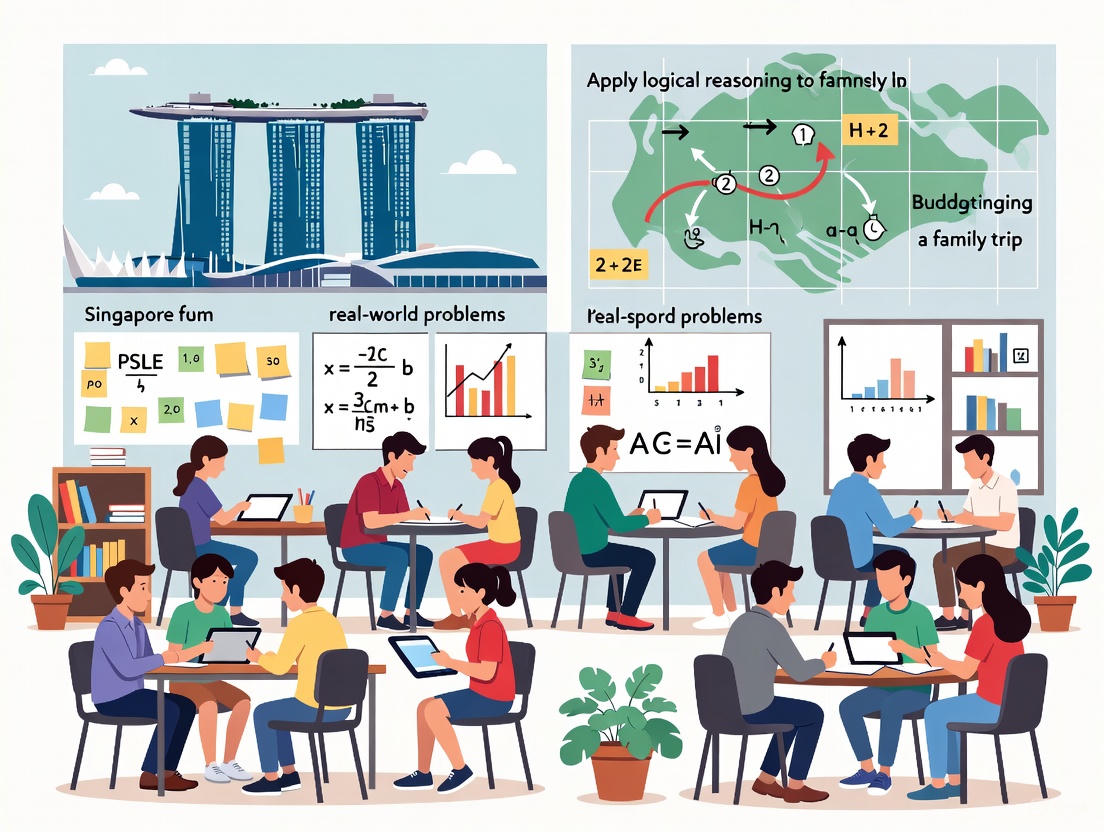
Subtopic: Finding the Right "Fit" for Your Child
Every child learns differently. Some thrive in a bustling, competitive environment, while others flourish in a more intimate and nurturing setting. When choosing a Singapore primary 4 tuition centre, consider which environment best suits your child's personality and learning style. Don't just go for the "popular" option; think about what will truly help your child shine. This is where choosing a singapore primary 4 tuition centre tips can really come in handy.
Interesting facts: The student-teacher ratio can significantly impact a student's ability to engage and learn effectively. Smaller class sizes often lead to more personalized attention, which is crucial for grasping complex concepts, especially in mathematics. This is also why tuition centres are so popular in Singapore, they offer a smaller student-teacher ratio.
Subtopic: Beyond the Academic: Social and Emotional Growth
It's not just about the grades, you know? Smaller learning groups can also foster better social skills, increased confidence, and stronger teacher-student relationships. When students feel seen and heard, they're more likely to participate actively, collaborate with their peers, and develop a genuine love for learning. This holistic development is just as important as academic achievement!
History: Back in the day, Singaporean classrooms were notoriously large! Over the years, the Ministry of Education has been working hard to reduce class sizes and improve the quality of education. This shows the government's commitment to providing the best possible learning environment for our children.
Singaporean parents, kiasu and kiasi as we are, we all want the best for our children, especially when it comes to their education! Primary 4 is a crucial year, a stepping stone towards the PSLE. And let's be honest, the student-teacher ratio in schools can sometimes feel like a pressure cooker. But don't worry, lah! Even if the ratio isn't ideal, there are still plenty of things you can do to empower your child to excel.
Considering Class Size and Student-Teacher Ratio
Okay, let's talk numbers. A smaller student-teacher ratio *can* mean more individual attention for your child. Studies have shown that students in smaller classes sometimes have better academic outcomes, especially in the early years. But here's the thing: it's not the *only* factor. A fantastic teacher can make a huge difference, even in a larger class. Plus, some kids thrive in a more bustling environment! Ultimately, the ideal ratio depends on your child's learning style and personality.
Fun Fact: Did you know that Singapore's education system consistently ranks among the top in the world? We're doing something right, even with our sometimes-packed classrooms!
Choosing a Singapore Primary 4 Tuition Centre: Tips
Many parents consider tuition to give their kids an extra edge. If you're thinking about it, here are some choosing a singapore primary 4 tuition centre tips to keep in mind:
Subtopic: The Importance of Mathematics in Shaping Future Careers
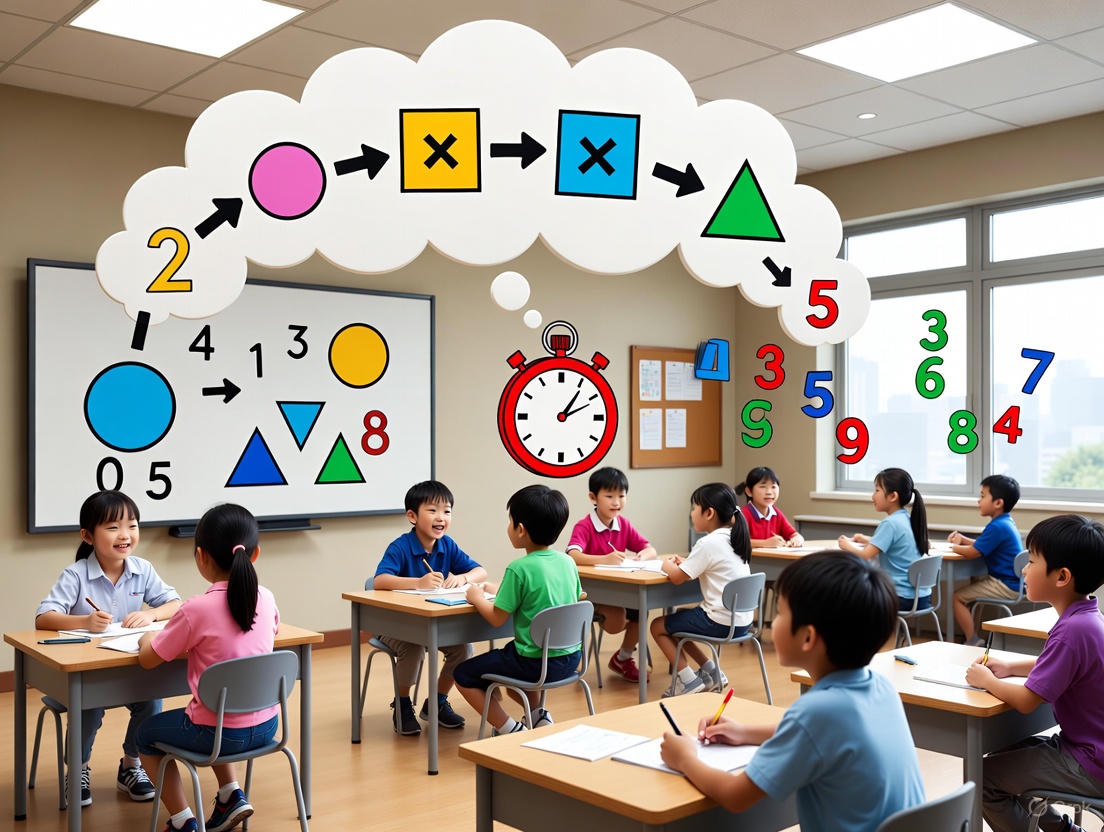
In today's world, mathematics is more than just a subject; it's a foundational skill that unlocks numerous career paths. From data science and artificial intelligence to engineering and finance, a strong grasp of mathematical concepts is essential. Even seemingly unrelated fields like design and music benefit from mathematical thinking. By investing in your child's mathematical education, you're equipping them with a versatile toolkit that will serve them well in the future, regardless of the specific career they choose.
Interesting Fact: The abacus, one of the earliest computing devices, was used in ancient civilizations for mathematical calculations. It's amazing how far we've come!
Proactive Strategies for Success, Regardless of the Ratio
Ultimately, your child's success depends on more than just the student-teacher ratio. In Singapore's demanding education structure, where academic excellence is paramount, tuition typically refers to private extra classes that provide focused support beyond school programs, helping students conquer disciplines and get ready for major assessments like PSLE, O-Levels, and A-Levels during intense pressure. This independent education field has developed into a thriving market, driven by parents' commitments in tailored guidance to bridge learning gaps and boost grades, even if it often adds stress on developing learners. As artificial intelligence emerges as a game-changer, exploring cutting-edge online tuition Singapore solutions shows how AI-powered platforms are personalizing instructional journeys worldwide, delivering flexible mentoring that exceeds conventional practices in efficiency and involvement while addressing international academic gaps. In Singapore particularly, AI is transforming the standard supplementary education model by facilitating affordable , on-demand tools that align with local programs, possibly cutting expenses for households and enhancing results through insightful analysis, while principled considerations like excessive dependence on digital tools are debated.. Here are some proactive strategies you can implement:
Remember, parents, you are your child's biggest cheerleader! By being proactive, supportive, and strategic, you can empower them to succeed, regardless of the student-teacher ratio. Jia you!
Smaller classes often mean more individual attention from the teacher, allowing for personalized help and a better understanding of concepts crucial for exam success.
While theres no magic number, a ratio closer to 1:20 or lower is generally considered beneficial, allowing teachers to cater to diverse learning needs effectively.
Potentially, yes. With less individual attention, your child might struggle to clarify doubts or receive targeted support, impacting their understanding and exam scores.
Effective teaching methods, parental involvement, a supportive learning environment, and the childs own study habits are all crucial factors beyond just the student-teacher ratio.
You can inquire directly with the school administration or during parent-teacher meetings to get information about class sizes and teacher allocation.
Consider providing extra support at home, hiring a tutor, or exploring supplementary learning resources to bridge any gaps in understanding due to limited individual attention in class.
Some private schools or specialized programs may offer lower ratios, but its best to research individual schools and their specific class size policies.
A teachers experience is very important. Experienced teachers are often better equipped to manage larger classes effectively and provide differentiated instruction.
Yes, online platforms can offer personalized learning experiences and targeted practice, supplementing classroom instruction and addressing individual learning needs.